From Last Resort to Fully Booked - The Liad Polichuk Story
How Liad Polichuk went from almost quitting tattooing to being booked months ahead - the brand, content, and sales mechanics behind the shift.
By Greg Gelf
Liad Polichuk came to us as a last resort. He did not say it on the first call. He said it later, once we had worked together for a few months and the mood was starting to shift. Deep down, he had known that if things did not change, the months he was running out were probably going to be his last ones as a tattoo artist.
What we saw at the beginning was different. A hardworking, persistent man, quick and efficient on every task we gave him. A lot of work to do, but Liad was already very driven. The weight of what he was carrying only became visible later.
What Was Working, and What Wasn’t
Liad was a great artist. The work on his page was real. The problem was not the art.
The problem was that he was not bringing in enough work. Not enough inquiries, not enough closes, not enough paying clients walking into the chair. The business was not sustaining itself at the pace he actually needed to keep going.
That was the real initial problem. The pricing, the content strategy, the session scheduling - all the things we would later rework in detail - were secondary. The first problem was just volume. Not enough of the right people were reaching out.
The Strategy - Build a Brand Around Who He Actually Is
After the first meeting, we recognized something about Liad that pointed the whole engagement in one direction. His character, his taste, his preferences, his personality were all pointing at the same world. Metal music culture. The bands he listened to, the aesthetics he was drawn to, the subculture he belonged to. It was all one thing, and that thing was not showing up anywhere on his public page in a specific enough way.
So we built the brand around what we noticed in him. Not “dark alternative.” Not “custom work.” Specifically metal music culture. The visual language, the references, the tone, the content, the ad creatives, the music under his stories - everything started pointing at the same world. The brand did not need to be invented. It needed to be let out.
The right clients recognized themselves on the page in three seconds. The wrong clients kept scrolling. Exactly how it is supposed to work.
Going Big
Once the brand was clear, we made a simple move with the content. If you want to sell a sleeve, show a double sleeve concept. The bigger the project we published as available, the harder it became for anyone to go smaller. And when a client did ask for something smaller, they felt like Liad had made an exception for them.
Alongside that, we cut small tattoos out of the ads. All of them. Stopped spending any ad budget on small-piece content completely. Every image that went out carried a bigger-project signal. The ads themselves became a filter: anyone sending a DM already knew they were inquiring about a serious project, not a quick forearm piece.
That was when the giant projects started closing.
What Actually Worked
You do not need a lot of huge closes to be fully booked. If an artist works twelve days a month on the needle, they only need two clients booked for six-session projects to be fully booked. Two clients.
With the right sales pipeline, selling two big projects is actually much easier than selling single sessions to twelve different clients. Less time spent on each inquiry. Less marketing budget required to generate the volume. Fewer consultations in the calendar. But it does require real proficiency in sales. If the artist cannot run a consultation that holds its price and anchors toward the fuller version of the project, the whole system falls apart.
So we built the whole portfolio around signalling exactly this kind of project. Then we continuously improved the sales process to close more of the consultations that came through. And voila.
Results So Far
🏆 Session price up 50%. The per-session rate climbed meaningfully as the positioning tightened and the client mix shifted.
🏆 3X average project value. Multi-session commitments became the default, not the exception.
🏆 A three-sessions-a-week lifestyle. Fewer sessions in the chair each week, higher value per session, more time for sketches and content that drive the next round of clients.
🏆 A distinct and special brand in a scene that generally runs on sameness - instantly readable as metal, instantly readable as Liad.
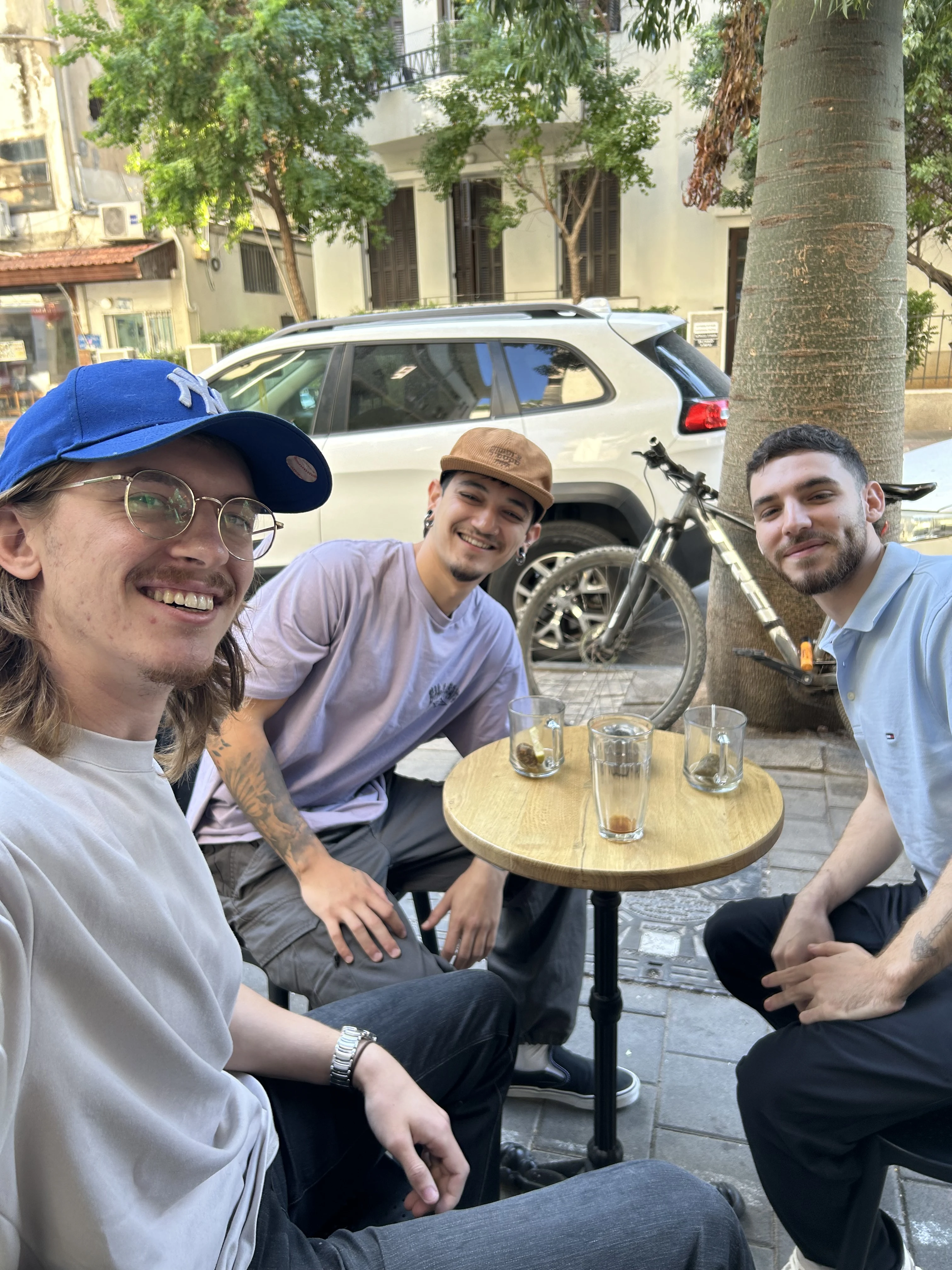
In Liad’s Own Words
From a recent message to us (translated from Hebrew):
“I can’t believe what’s happening. I’m shocked to be booked so many appointments ahead.”
Keep grinding, Liad 🤘
What This Story Actually Shows
Liad’s story is a specific case of a pattern we keep seeing across the artists we work with. Talent is not the differentiator. The business around the talent is.
Liad arrived as a great artist. What was missing was a page that pointed at who he actually is, a content mechanic that signalled the kind of project he wanted to close, and a sales process that converted the consultations into committed multi-session projects. We built those three things in order, in that specific sequence, over the months we have been working together. Those three are layers of the wider system we work through with every artist, and the order they get built in is not interchangeable.
The result is a business that was close to not existing a year ago, and is now booking so far ahead that even Liad is in shock about it.
For other versions of this story, read the Mark Ink case here or the Gooli Ink case here.
See Liad’s work on Instagram: @holypoli.ink.