The First Two Years as a Tattoo Artist - 6 Uncomfortable Lessons From Kfir Dahan
Kfir Dahan spent two years waiting for success to arrive on its own. Here is what he would tell himself the day he finished his tattoo course, in his own words.
By Greg Gelf
I see the weekly numbers of about 20 tattoo artists. Bookings, inquiries, follower growth, what they spent on ads and what came back.
Here is the pattern that keeps showing up. The artists who move forward are not the most talented ones.
Kfir Dahan has been fully booked for two years straight and tripled his project value. That part is already written up. The interesting part is the two years before it, when nothing moved at all, and Kfir is unusually honest about why.
Quick Answer
The first two years after a tattoo course are the hardest part of a tattoo career, and skill is rarely the bottleneck. Kfir Dahan spent those years waiting for progress to arrive on its own, and it didn’t. What changed things was doing the uncomfortable things: tattooing for free to build a portfolio, narrowing to one specific style and staying there for years, working in a studio that develops you instead of from home, and paying for ads before it felt safe. The course you pick matters far less than what you do in the two years after it.
Kfir’s First Two Years, In His Own Words
This is Kfir describing the period before anything worked:
“When I started I had no plan. I had very big ambitions, but I didn’t really know how to get close to them.
So I waited. I waited for something to lead me there. I stayed in that mindset for two years, and progress was very slow.
I wasn’t doing anything to move myself forward. I was waiting for success to arrive on its own.
My mistake was standing in the same spot. Watching other artists move ahead, waiting for it to happen to me too. Without understanding that it takes extraordinary action, and stepping out of your comfort zone.“
Read that again. He had the ambition. He had the ability. What he didn’t have was the understanding that ambition alone moves nothing.
Two years is a long time to stand still.
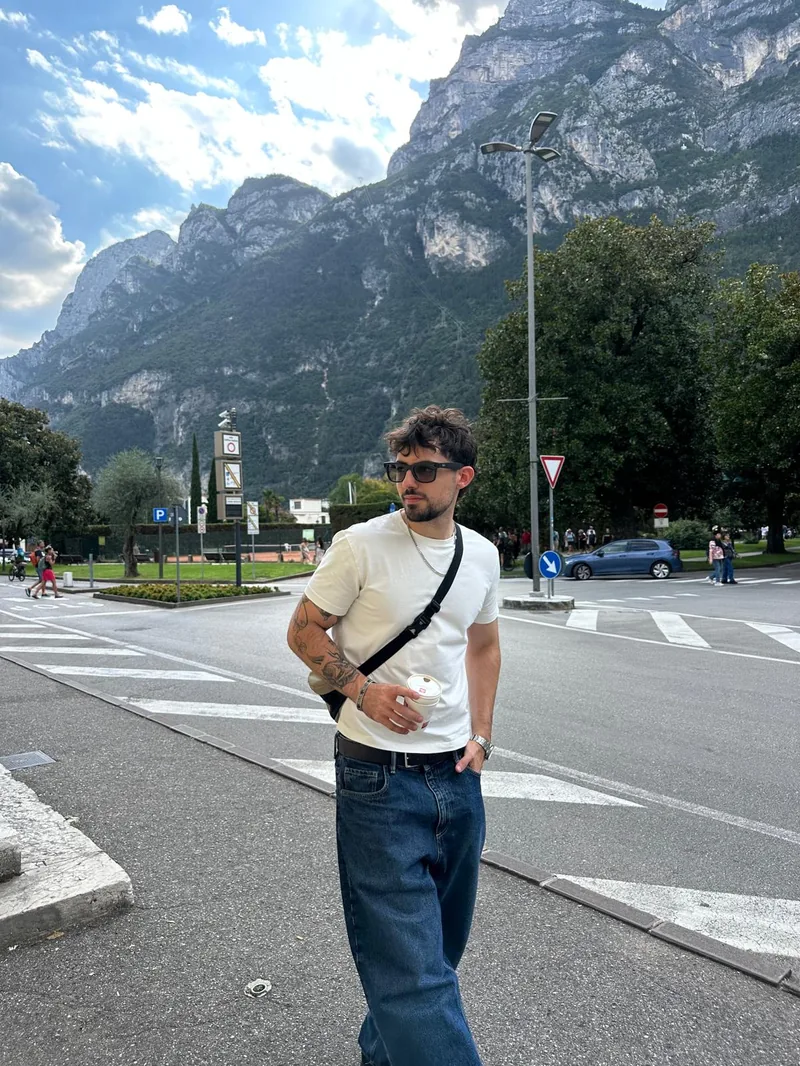
The 6 Things Kfir Recommends to Artists Starting Out
We asked Kfir what he would tell himself on the day he finished his course. These are his answers, not ours.
1. The Course Is Not What Makes You a Tattoo Artist
People entering the field put enormous weight on which course to take and where. Which school. Which teacher. Which city.
Nobody remembers it a year later.
Most of the learning happens after the course. It depends on where you work and who you grow next to. The course is a door, not an education.
One thing does matter when you pick it: you should genuinely love the work of the person teaching you. Not their marketing. Their actual tattoos. If you don’t want your work to look anything like theirs, you are in the wrong room.
2. Your Portfolio Is Your First Real Job
After the course, all the energy goes there. Tattoo for free, and tattoo a lot.
This is the part beginners resist hardest, cause it feels like working for nothing. It isn’t. You are paying for your portfolio with time instead of money, and it is the cheapest it will ever be.
Build one consistent visual language on your Instagram. Same style, same quality of photo, same feel. The goal is simple: make the work good enough that a stranger wants to pay for it.
Your first paying client comes from your portfolio. Not from your course certificate.
3. Pick One Style. Then Stay With It for Years.
In the beginning, do everything. Every style, every size. That is what builds confidence, technique, and the range you will need later.
Then narrow down. Pick one specific style, do at least 15 of them on models, and fill your page with nothing else. Learn to photograph them properly while you are at it.
And then keep doing exactly that. Year after year.
This is where most artists lose. They get six months in, see no work coming, get discouraged, and jump to something that looks sexier. Then six months later they jump again. Nobody ever remembers an artist who changed direction every half year.
Expertise is repetition. There is no version of this that happens fast.
4. Critique Yourself After Every Tattoo
Work not good enough yet? Train every day.
After every piece, give yourself real criticism. Not “that went okay.” The specific kind you can actually apply on the next one. What was weak in the linework. What you rushed. What you would do differently.
Then go find artists who are better than you in your style and ask them. Most will tell you. The information is rarely the problem, asking is.
5. Where You Work Matters More Than the Course
Work somewhere the environment develops you. Somewhere there is someone pushing you to grow, who will not let you coast.
A good studio teaches you things no course covers. How to run a calendar. How to work with people. How to market and sell like a business instead of hoping. Those skills decide your income more than your linework does.
Early on you also need a studio that brings you clients of its own, cause volume is how you get better. Take that deal even if the commission is high. You are buying reps.
And the flip side: don’t tattoo from home. Alone, you only ever learn from your own mistakes. In a studio you learn from everyone else’s too, which is maybe ten times the rate. The artists in studios will pass you, and you will not understand why.
Kfir’s own filter for a bad studio is blunter than mine. Walk into a place full of guys stoned on weed all day, and just leave.
6. Don’t Be Afraid to Pay for Ads
Even at the very start.
Yes, it feels like gambling. You put money down and nobody promises you a result. That discomfort is real and I am not going to pretend otherwise.
But done right, paid ads are the fastest way to put your work in front of people who would never find you otherwise. Every artist we work with runs them. The ones who started earlier are further ahead.
Waiting until you “can afford it” usually means waiting until the year you needed it most has already passed.
What “Extraordinary Action” Actually Means
Kfir’s phrase for what he was missing was extraordinary action. It sounds vague until you make it concrete. He did:
- Take a project above your current level, before you feel ready
- Put real money into advertising
- Show your face on social media, not just your work
- Go independent and stop leaning on the studio to hand you clients
Notice what those have in common. Every one of them is uncomfortable. That is the whole point.
Progress does not arrive on its own. It comes from the actions you are afraid to take.
Common Questions About Starting Out as a Tattoo Artist
How long does it take to become a fully booked tattoo artist?
Longer than most people expect. Kfir spent two years with very little movement before things compounded, and he is not unusual. The artists we work with who commit to one style and stay consistent typically start seeing real change somewhere between six and eighteen months. The ones who keep switching direction never get there at all.
Should I tattoo for free when I am starting out?
Yes, early on. Free work on models is how you build a portfolio fast, and a portfolio is what brings the first paying client. The mistake is doing it forever. Once your page is full of work in one style that you are proud of, start charging.
Does the tattoo course I choose actually matter?
Less than people think. It has to be a real professional, not an amateur, and you should love their work. Beyond that, the course is a small fraction of your education. Where you work afterwards matters far more.
Is it really that bad to tattoo from home?
For developing your craft, yes. Working alone means learning only from your own mistakes. A studio gives you everyone else’s mistakes and fixes to learn from, plus calendar, sales and client skills you cannot pick up in isolation.
How many tattoos should I do in one style before I commit to it?
Kfir’s number is at least 15 on models, with your page showing nothing else. That is enough to prove the style is really yours and to give a potential client a coherent picture of what they are buying.
When should a new tattoo artist start running paid ads?
Earlier than feels comfortable. Once you have a portfolio worth showing, ads are what get it in front of the right people. Most artists wait far too long and lose a year they will not get back.
The Part That Actually Separates Artists
Kfir already had the ability during those two quiet years. Nothing about his hands changed.
What changed was that he stopped waiting.
That is the same thing I watch play out every week across every artist whose numbers I see. The bottleneck is almost never talent. It is the willingness to do the uncomfortable thing before you feel ready for it.
If you are standing in the same spot right now, watching other artists move ahead, you already know which action you have been avoiding.
Read next: